
Details
Build. Grow. Achieve.
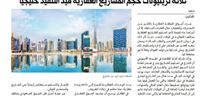
Al Mazaya Weekly Report: More opportune time required to launch and deliver new projects to ensure feasibility, investment attractiveness
Real estate projects worth $3 trillion currently under execution in Gulf region
Gulf region’s real estate markets have been going through several challenges and headwinds recently. The most notable of these was the delayed delivery of real estate projects, which affected the supply-demand balance and generated many risks in terms of management and investment returns.
Al Mazaya Holding in its weekly report said that a gradual delivery of projects is required to ensure efficiency, investment attractiveness and fair prices. Currently, there is a large number of projects being implemented across the region and some of them are expected to be delivered during the current as well as the coming years. Current industry data indicate that the value of projects planned and under execution at present is estimated at $3 trillion.
Al Mazaya report added that the projects being executed are among the major drivers of financial and economic activity in the region. A large part of the stimulus plans being carried out by some regional countries will ultimately boost the real estate market activities and its contributions to GDP.
In addition, there is an urgent need to find effective tools conducive to determining an opportune timing for the launch and delivery of new real estate projects, in order to avoid risks that may affect their feasibility and investment returns.
Al Mazaya said that the UAE real estate market, which witnessed the delivery of thousands of real estate units during the past years, will continue the delivery momentum during the coming period due to the fact that a large number of construction projects being executed. The current industry data indicate that these projects account for 66% of the total enterprises at a total value of $537 billion. While the total number of completed real estate units reached 4,035. This has contributed to increasing the supply of apartments and villas in the UAE real estate market, which is often dependent on demand from local and foreign investors.
On the other hand, the UAE real estate market is expected to witness the launch of about 25,000 units by the end of this year, and up to 78,000 units under construction will be completed and delivered by 2020, which means a high level of supply. The second half of the last year witnessed the launch of six projects in the Emirate of Abu Dhabi, which will provide more than 7,000 villas and apartments during the current and coming periods. This means potential oversupply, but the gradual delivery of these projects will reflect positively on the real estate landscape and end-users as well.
On the other hand, the Saudi market is different and has been in recession for more than two years. The recession is disrupting the supply and demand forces with the Saudi citizen expecting the market to record further declines in selling prices, which ranged between 20% and 30% during the last period.
This continued decline in prices will ultimately lead to a slowdown in launching new projects while real estate developers are already unable to sell the apartments on supply so far.
The Bahraini market is also recording declining trend in prices as a result of the slowdown in financial and economic performance, the fall in oil revenues and the increase in supply, with rental prices getting significantly down from 10% to 12%. Supply tremendously outpaces demand, with 4,000 residential units are expected to be delivered during the current and next years, and more than 7,000 housing units by 2020.
The Omani real estate market is focused on real estate projects that match the nature of demand and stages of growth and economic stimulation. For example, tourism properties are being launched in harmony with the incentive plans implemented by the official bodies, which will reflect positively on the tourism sector first and then on other sectors. This means that the real estate market of Oman is able to accommodate real estate projects that fall within the sectors targeted by the previous and current stimulus plans.
Al Mazaya report underlined the need to exercise caution in launching new real estate projects during the current period. In addition, it is necessary to rely on authentic indicators and market data in terms of the size of supply and delivery timeframes before starting the delivery of real estate projects. Any further, uncalculated increase in supplying residential, industrial and commercial units, said the report, will lead to more supply-demand imbalances.
Clippings