
Details
Build. Grow. Achieve.
Commercial real estate market maintaining balance in 2019
-Al Mazaya Report: Rationalising launch of property projects prevents supply-demand imbalances
-Gulf commercial real estate sector gaining momentum amid heated competition to attract FDIs
-Flexible legislation contributes to reinforcing real estate performance over next period
The multifaceted, rapid and significant developments witnessed by the Gulf region’s industrial and tourism sectors over the past period have contributed to stimulating demand for commercial real estate.
The weekly report of Al Mazaya Holding indicates that the performance of the commercial real estate sector during 2019 in the Gulf markets reflects positive indicators, driven by direct incentives, like allowing 100% foreign ownership, which are likely to attract more foreign investments and reduce costs.
The report pointed out that the recorded growing presence of multinational companies in the region’s markets is contributing to stimulating demand for commercial real estate, supported in one way or another by improving oil prices.
In a related context, Al Mazaya report affirmed that the continued economic reforms and increased government spending on projects through significant stimulus packages targeting the private sector, will lead to further expansion, and boost demand for commercial real estate.
The performance indicators for commercial real estate in the Kingdom of Saudi Arabia show a good pace of activity, leading to the launch of more units due to continuous upward demand during the recent period, according to the report, which added that commercial properties are projected to grow annually by 10% due to increased commercial activities, which in turn are likely to boost demand for renting centres and stores across all locations.
The report added that commercial activities in the Kingdom are witnessing a growing momentum, with store rentals recording unprecedented increases of more than 50%.
The report noted on this score that homes and residential plots saw a set of reform decisions recently that contributed to controlling price hikes and reducing real estate bubbles that are known to be detrimental to the sector, including existing investments and those under execution, considering that setting annual limits for rent adjustments would maintain demand growth and reflect positively on the commercial sector as a whole.
Al Mazaya added that the recorded mobility in commercial real estate in Jordan during the current and past years witnessed noticeable price hikes despite fluctuating demand, with industry data indicating a 4.4% annual increase in commercial real estate prices during the first quarter of 2019.
This reported increase is attributed to the desire of property owners to raise prices despite the prevailing economic situation and current demand levels.
The report added that there are ongoing pressures that hinder the improvement of demand, foremost among which is the decline in investments and liquidity coupled with higher financing prices, in addition to increasing selling and leasing prices of commercial real estate, which would create some flaws in the real estate sector in Jordan.
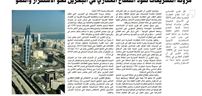
The real estate sector in the Kingdom of Bahrain is performing well up to the moment and will witness more stability and growth during the coming period. This is supported by industry data suggesting that commercial real estate in Bahrain has additional advantages, compared to those available in the neighbouring markets. These advantages include affordable rental costs that are over 50% less than their counterparts in other main markets, such as the UAE market for example, while the costs of setting up companies are less by 35% as well.
The flexible legislation in Bahrain’s free zones and their tax system, which is similar to that of the Kingdom of Saudi Arabia, create several advantages conducive to attracting regional and international companies. These advantages, including a 100% foreign ownership in most sectors, and a tax system that is considered the best across the GCC States, contributes continuously to raising commercial demand.
The report indicated that the UAE non-oil sectors will continue to grow until the end of the year 2019, by 3.1%, and 3.2%. in 2020.
The UAE provides a number of incentives, such as facilitating the issuance of commercial licences and reducing fees, which contributes to revitalising relevant economic sectors. Industry data indicates the issuance of 34,000 new business licences in the Emirate of Dubai alone until last November of this year, which reflects the current growing demand for commercial real estate.
The report expected further recovery in the real estate sector in the Gulf countries, especially commercial property, and enhanced ability to attract investors, boost competitiveness, and develop strategic plans to maintain market balance and rationalize the launch of projects.
Clippings