
Details
Build. Grow. Achieve.
Real Estate Markets in the UK and GCC Maintain Robust Appeal Despite Considerable Challenges
Fast-paced economic changes render overseas investment difficult
The global real estate market and the Gulf region are currently experiencing fast-paced economic changes that have rendered overseas investment quite difficult. This business landscape rather paved the way for cross-continental investments on a number of world markets that yield relatively riskless reasonable returns. New markets that boast security, socio-economic and political stability are high in demand. On this score, UK and the Gulf Region, in general, and the UAE, in particular, emerge as foremost investment destinations by virtue of the economic and investment incentives they offer.
Al Mazaya’s Weekly Report summarises the key factors behind the change in investment priorities experienced by world real estate markets. The main factors, according to the report, are the changes introduced by world economic and financial regimes into their lists of investment destinations and priorities. Changes in terms of competitiveness and ability to lure foreign investments and protect local ones are also highlighted by the report.
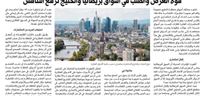
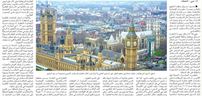
Recent indications revealed that the UK realty market – despite the recent official decision to walk away from the European Union before 2017 and the resultant fall in GBP – still maintains a robust investment appeal.
This is explained by the unprecedented investment edge enjoyed by the UK realty market, with London still being the favorite business destination for foreigners, especially those from the Gulf Region. This investment excellence is attributed to so many aspects of the investment climate, including a secure and economically and politically stable environment that abounds in several future investment opportunities, especially in light of the current changes witnessed by UK.
The report noted that the UK economy will continue to influence the world’s financial and investment landscape at least over the next two years by virtue of a robust real estate market that is still at its best, maintaining high potential to help lure more foreign investors.
The Dubai realty market, according to the report, boasts a potential investment attraction tantamount to that of London, due to its stability and luring environment. This is despite the corrective trend that is sometimes experienced by some economic sectors, particularly the real estate one, along with the fall in world oil prices, which has not yet triggered a fundamental long-term impact on the realty market. Instead, a continuous real estate activity is going on, bolstered by a regular launch of real estate projects by the government and private sector to meet real demand on commercial and residential units, particularly the mid-income bracket property in both the UAE and Saudi Arabia.
The report predicted that the oil prices – should they exceed the current $49 level reached by Brent Crude by end of September – will reflect positively on different economic sectors, increasing liquidity and regaining market attractiveness.
Such positive predictions are contingent on an oil price increase scenario, the report indicated. Before developing long-term strategies, it is preferable to ensure oil price stability, in order to control investment risks on all sectors. The report also recommends that separate and selective assessments of investment opportunities should be conducted per market in terms of liquidity, mortgage rates and investment opportunities to ensure success.
With regards to the real estate market in Turkey, the report noted that all indications show it will continue to remain in the forefront, thanks to its robust investment plans and considerable potential and incentives, including tax exemption for up to 5 years starting in 2017. This is coupled with a strong supply-demand mechanism and highly attractive property investment environment, according to the report.
Competitiveness levels will remain at an all-time-high among GCC States and Turkey, according to the report. The UK realty market will keep its robust appeal, speeding up competitiveness among all these countries.
The report pointed out that real estate markets in the region still remain at the required positive levels, rising between 1.53 per cent and 3.8 per cent in GCC States. This, in turn, reflected positively on the inflation rates resulting from the fall in oil prices and decline in investment liquidity, helping real estate markets lure more foreign investments.
The current inflation rates give the region’s markets a fair long-term investment advantage. Any additional fall in oil prices, however, would drive inflation rates up to a danger zone that would necessitate additional austerity measures over the coming year and the years to come, the report pointed out.
The availability of investment options and opportunities on world real estate markets has strengthened quality and enhanced competitiveness, said the report, adding that integrated promotion and marketing campaigns are needed to lure investors into the Gulf region, consequently stepping up competiveness levels.
The region’s markets enjoy real estate diversity that is robust enough to ensure a highly competitive environment. Low mortgage interest rates play a fundamental role in enhancing local property market attractiveness, thus wooing individual investors to go for more mortgages.
The report concludes by underlining the ability of Gulf markets to accommodate diverse real estate investments at the residential, commercial or tourism levels.
.
Clippings